
Understanding the Importance of Weatherproofing Your Home
Weatherproofing your home isn’t just a precaution; it’s an essential strategy for anyone living in regions with harsh climates. Having renovated my own house from the late ’90s, I realized the drastic impact that climate has on building materials. An overheated attic in summer or drafts creeping through worn-out windows emphasize the critical need for effective weatherproofing. It’s not merely about comfort; it’s an investment in your future—especially for families with children who want to ensure a safe and energy-efficient living environment.
Impact of Climate on Materials
The materials used in your home play a vital role in how well it withstands the elements. For example, UV rays can degrade roofing materials and siding over time. Moisture can lead to mold and decay, reducing home value and livability. When we were replacing old siding, we opted for Hardie board, made from fiber cement. It’s both resistant to moisture and impervious to termites— an important consideration for those of us in bug-heavy climates.
- Consider the insulation value of materials.
- Choose water-resistant options based on local weather patterns.
- Look into energy-efficient windows that minimize heat exchange.
Choosing Windows for Hot Climates
Selecting the right windows can make a significant difference in a home exposed to blistering summers. Double-glazed windows with low-E coatings excel in hot temperatures as they reflect heat while allowing natural light in. During our renovation, we faced some challenges with air leakage through older models. Installing Energy Star-rated windows not only resolved the issue but also reduced our energy bills substantially.
Thinking about your home’s future? Making informed choices about materials and windows will ensure better protection, lower maintenance costs, and provide more comfort for your family. Don’t underestimate the power of well-chosen features in weatherproofing your home!
Adapting Home Design to Climate Conditions
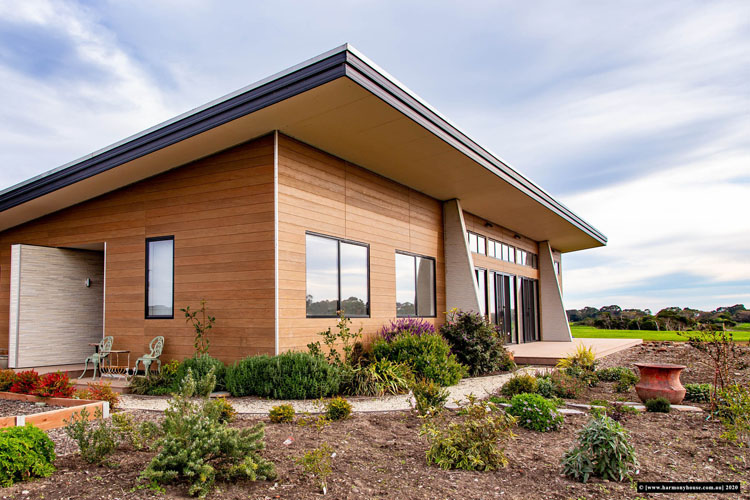
When considering how to weatherproof your home, it’s vital to look beyond just materials. The architectural design of your house plays a crucial role in managing climatic impacts. For instance, in regions afflicted by intense heat, orienting windows towards the north can minimize direct sunlight and reduce indoor temperatures. Similarly, incorporating awnings and overhangs can provide much-needed shade, keeping your outdoor spaces comfortable while also protecting your home’s exterior from the sun’s harsh rays.
Here are a few design strategies that can enhance your home’s weather resistance:
- Utilize thermal mass materials (like concrete or brick) that absorb and slowly release heat.
- Incorporate ventilation systems to facilitate air flow and reduce humidity build-up.
- Implement sloped roofs that prevent water accumulation from heavy rains.
Landscaping as a Shield
Don’t overlook the role of landscaping in your weatherproofing endeavors. Thoughtfully planned gardens and plant arrangements can create a natural barrier against the elements. For example, planting deciduous trees on the western side of your home can provide much-needed shading during the summer months, while allowing sunlight through in the winter once the leaves have fallen. Additionally, the use of drought-resistant plants not only conserves water but also minimizes maintenance needs.
Implementing effective landscaping not only adds aesthetic appeal but can significantly shield your home from extreme temperatures. Alongside these practical tips, if you’re keen on exploring more options for energy-efficient windows tailored for various climates, consider visiting this resource for detailed insights and recommendations that suit your specific needs.
By embracing these elements, your approach to weatherproofing can become comprehensive, addressing both the structural and aesthetic aspects of your home while safeguarding it against nature’s whims. This multifaceted strategy can lead to surprising long-term benefits!
The Role of Aesthetics in Weatherproofing your Home
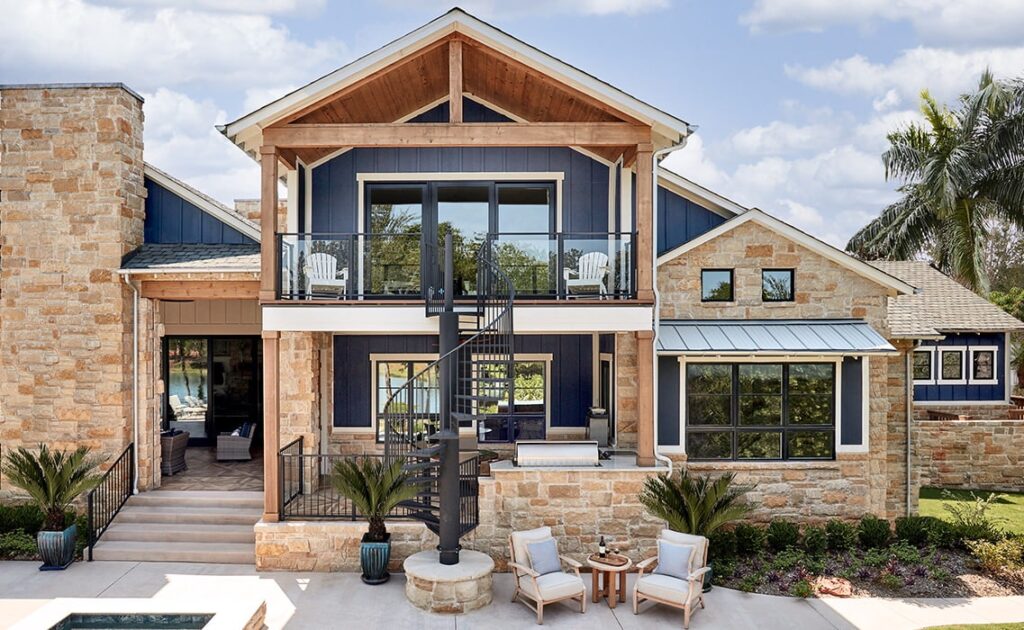
As you pursue the ultimate in weatherproofing for your home, don’t underestimate the significance of aesthetics in your choices. After all, a home should be a sanctuary that reflects your style and personality while also standing resilient against harsh conditions. Choosing the right windows for hot climates not only fulfills practical requirements but also enhances the overall beauty of your home.
For example, selecting windows with sleek frames and vibrant finishes can elevate your home’s curb appeal, complementing the local environment. Here are some aesthetic tips to consider when choosing windows:
- Play with color: Opt for window frames that resonate with the exterior colors of your home.
- Choose shapes that align with architectural styles, like arched tops for Mediterranean homes or clean lines for a modern look.
- Incorporate grids or patterns that add detail and character without compromising energy efficiency.
Additionally, employing window treatments like reflective shades or thermal blinds can amplify both temperature control and visual appeal. These elements can provide a layered look while working effectively to keep excessive heat at bay.
For effective solutions, take cues from regional practices that have thrived in hotter climates. In many Mediterranean and desert communities, overhangs and large eaves cast cool shadows while also adding an attractive silhouette to homes. This harmony of form and function exemplifies what weatherproofing your home is all about.
To delve even deeper into energy-efficient window options tailored for different climates, check out this insightful resource. By merging practicality with artistry, you guarantee that your weatherproofing decisions resonate with your unique taste while ensuring a safe, comfortable environment for your family to thrive.